
Stucco painting do it right
Why painting stucco is a specialized job — the correct repair, the right paint and products, and the technique that make it last. Not just any painter can paint stucco.
Painting stucco looks simple from the sidewalk — it's just a wall and a bucket of paint, right? It isn't. Stucco is a cement-based masonry surface that breathes, cracks, and reacts chemically to the wrong coating. Paint it like you'd paint wood siding and you'll get peeling, blistering, and trapped moisture within a season or two. Done correctly, a stucco paint job protects the wall for years and looks flawless. That difference comes down to three things: the right repair, the right products, and the right technique.
Below is exactly how Precision Plastering approaches a stucco paint job — and why a wall like this needs more than a coat of paint to be done right.
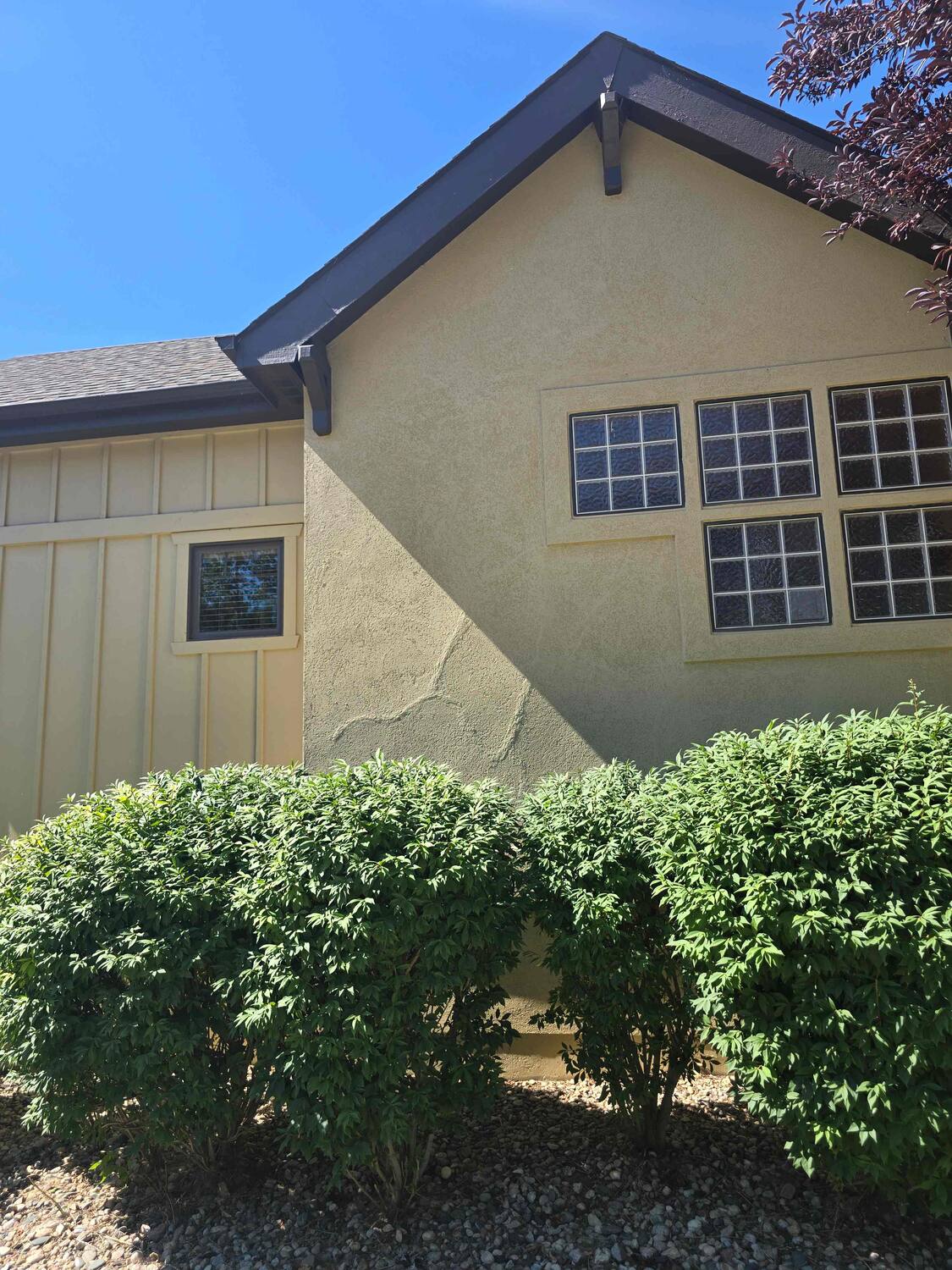
01Not Just Any Painter Can Paint Stucco
This is the single biggest mistake homeowners make: hiring a general painter and treating stucco like drywall or wood. Stucco is a cementitious, breathable, high-alkaline masonry surface, and it behaves nothing like a painted board.
- It has to breathe. Cement stucco moves water vapor. Seal it under the wrong film-forming paint and that moisture gets trapped — leading to blistering, peeling, efflorescence, and hidden rot behind a "perfect"-looking wall.
- It's alkaline. Fresh or exposed cement chemically attacks paints that aren't formulated for high pH, causing burn-through, color shift, and adhesion failure.
- It cracks and needs real repair first. A painter fills a hairline with caulk and rolls over it. A plasterer knows a crack in hard-coat stucco often signals movement or moisture underneath — and repairs the stucco, not just the paint line.
- Texture has to match. Patching and re-texturing a dash, sand-float, lace, or worm finish so paint lays uniformly is a plastering skill, not a painting skill.
A painter coats a surface. Precision Plastering repairs the stucco, prepares it correctly, then paints it — the only way the finish actually lasts.
02Correct Stucco Repair Comes Before Any Paint
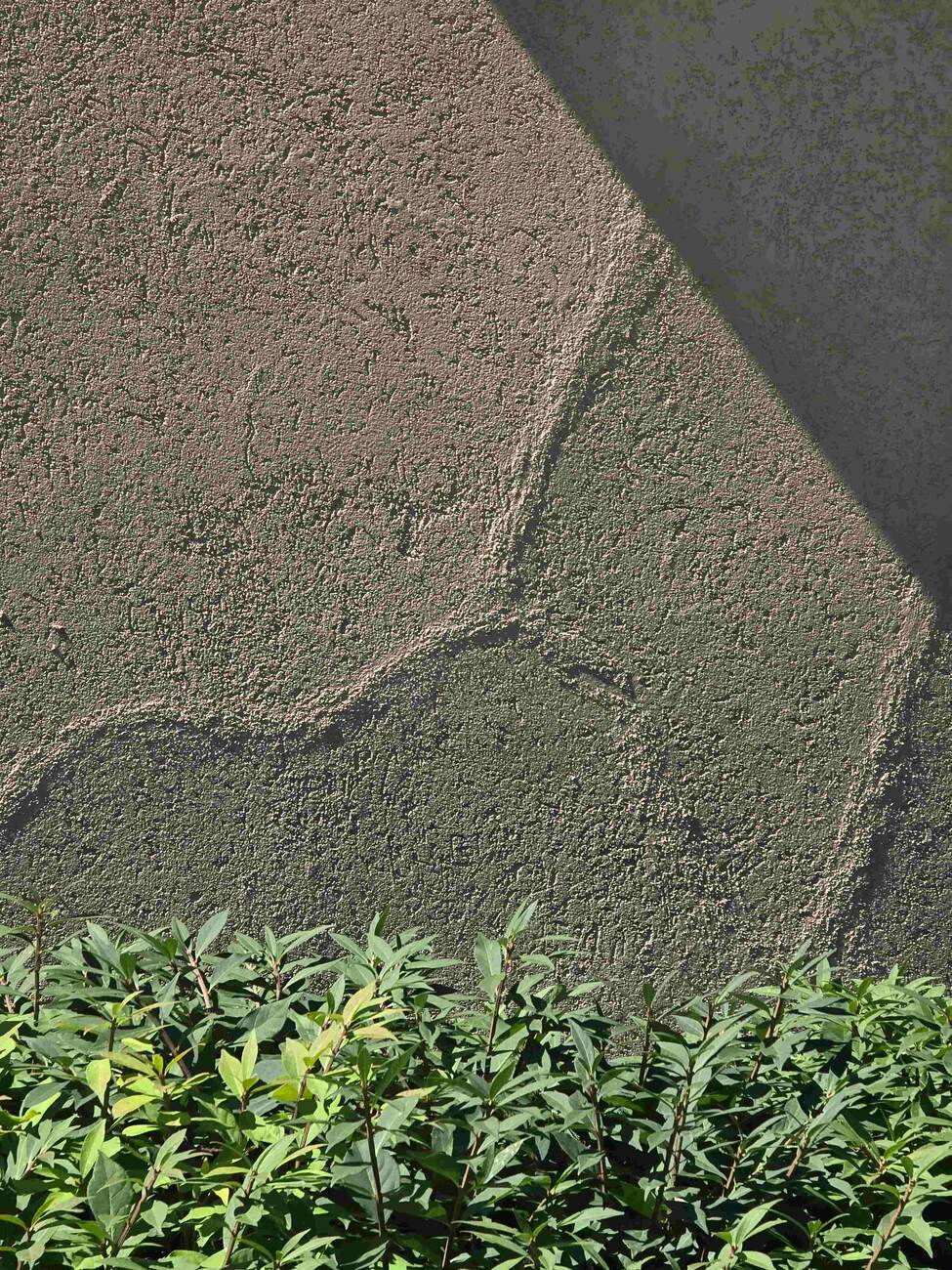
Paint is not a repair. It will never bridge a moving crack or hide a hollow patch for long — it just delays and disguises the problem. Before a brush ever touches the wall, the stucco itself has to be sound:
- Diagnose the cracks. Hairline map-cracking is cosmetic; wide, stair-step, or recurring cracks point to movement or water intrusion that must be addressed first.
- Repair with the right materials. Sound base coat, proper lath and mesh where needed, and the correct patching compound — then let it fully cure. Never paint over a green or crumbling patch.
- Re-texture to match. The patched area is tooled to match the surrounding dash/knockdown pattern so it disappears once painted.
- Clean and prep. Pressure-wash off chalk, dirt, mildew, and loose material so the new coating actually bonds.
- Seal cracks and penetrations correctly. Backer rod and the right sealant at joints, windows, and protrusions — caulk is never a substitute for proper flashing.
Skip this and even the most expensive paint will fail early. Get it right and the paint has a stable, uniform surface to protect.
03Using the Correct Paint & Stucco Products
The product on the wall matters as much as the hand applying it. For cement stucco, general house paint is the wrong choice. Here's what belongs on a stucco wall, and why.
Alkali-resistant masonry primer
Bare, patched, or previously unpainted stucco needs a high-alkali-resistant masonry primer first. It neutralizes the pH difference between the cement and the topcoat, locks down the surface, and evens out suction across old and new so the paint doesn't flash or streak.
Breathable 100% acrylic masonry paint
For most stucco, a 100% acrylic, vapor-permeable (breathable) masonry paint is the correct topcoat. It flexes with the wall through Colorado's freeze-thaw swings, resists UV fade, and — critically — lets moisture vapor escape instead of trapping it behind the film.
Elastomeric coatings — the right tool, used correctly
Elastomeric coatings build a thick, flexible film that bridges hairline cracks and adds waterproofing. They're excellent on the right wall — but they lower breathability, so they must be applied to a whole elevation as a deliberate system, never dabbed on as a spot fix.
Mistinted / integrally-colored stucco finish
The professional's edge: instead of relying on paint alone, we can hide a repair in a mistinted (integrally-colored) stucco finish coat. The color runs all the way through the material, so the patch matches in color and texture in one pass and won't reveal a different color when scratched.
Whatever goes on the patch, the same product and sheen go across the whole blend area — corner to corner, joint to joint. Mixing a spot of one product into a field of another is the fastest way to create a visible halo.
04Professional Technique: How We Paint Stucco
- Prime the repairs and bare spots with alkali-resistant primer before any topcoat.
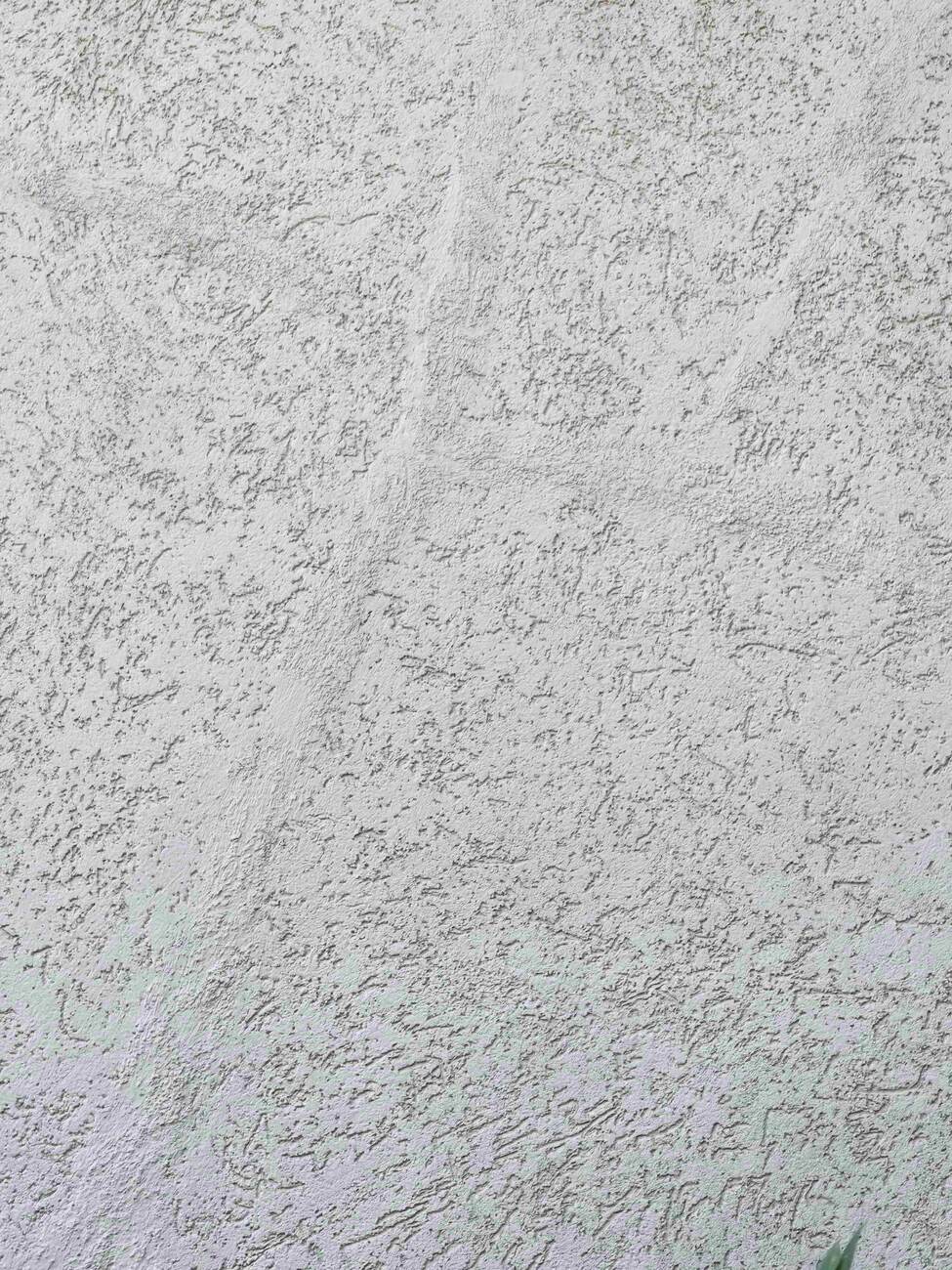
- Back-roll or spray-and-back-roll to work the paint into the texture — not just across the peaks — so every valley of the dash or knockdown is coated.
- Two full coats at the manufacturer's spread rate. Skimping on mil thickness is the number-one cause of early fade and chalking.
- Paint to natural breaks. Work corner-to-corner or joint-to-joint so there's no visible stop-and-start line in the middle of a wall.
- Mind the conditions. Right temperature and humidity, out of direct blazing sun, so the coating cures properly instead of flashing.
- Seal the details. Caulk glass-to-stucco joints and protrusions correctly, keep proper clearances, and never bridge a flashing detail with paint or caulk.
05Before & After: The Difference Done Right
On the left, a repair and paint job done the wrong way — a dark patch with a mismatched texture seam that shouts for attention. On the right, the stucco repaired, re-textured, and painted correctly so the wall reads as one uniform, seamless surface.
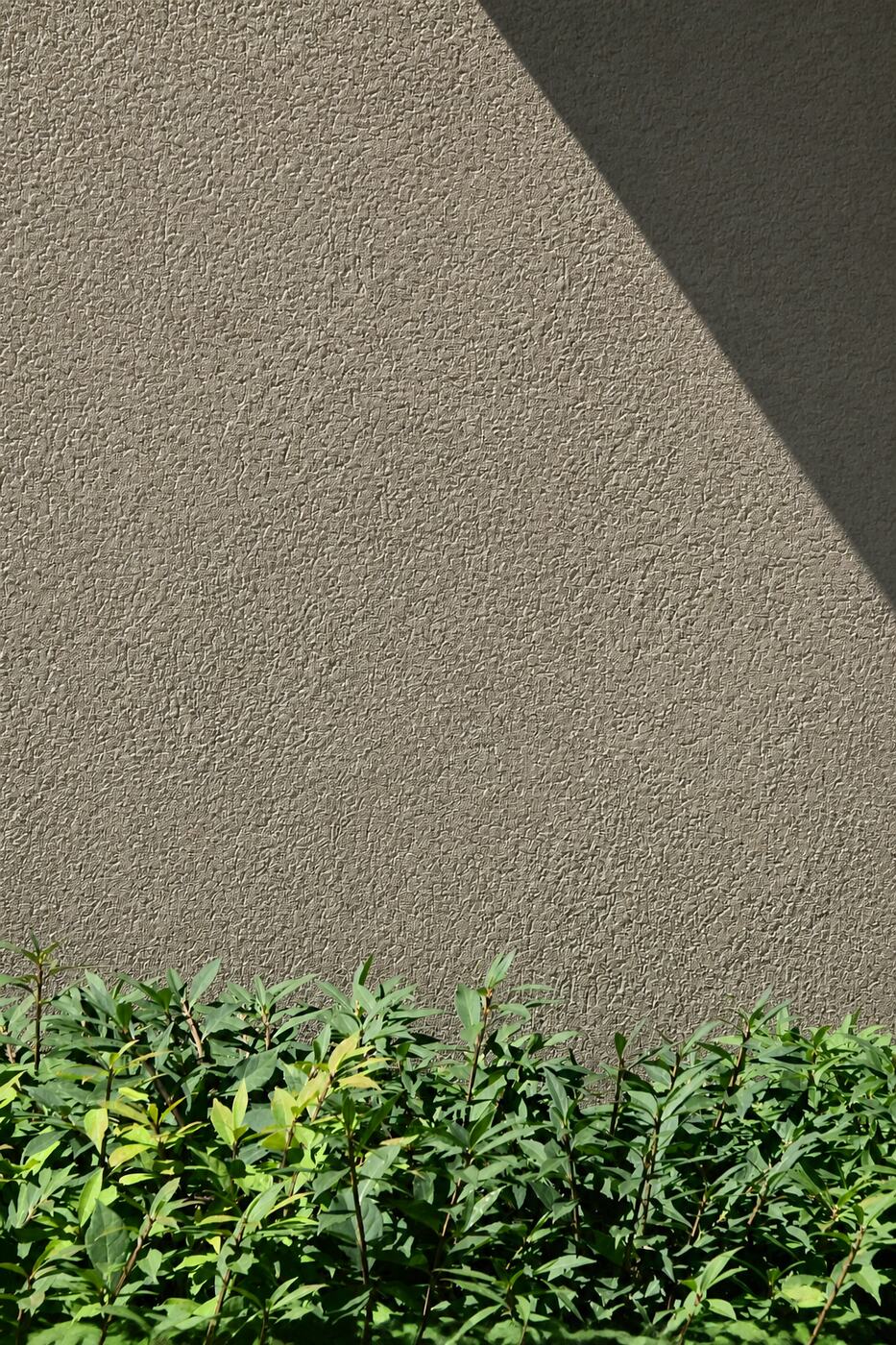
Left: repair and paint done wrong. Right: repaired, re-textured, and painted correctly — uniform, seamless, protected.
06The Precision Plastering Standard
A stucco paint job isn't finished when the wall is a new color. It's finished when the repairs are invisible, the coating is breathing and bonded, and the finish is built to survive Colorado weather. That takes:
- Correct crack diagnosis and real stucco repair — before paint
- Alkali-resistant, breathable, purpose-made masonry products
- Texture matched and paint worked into the surface, not just over it
- Two full coats, painted to natural breaks, in the right conditions
That's the difference between a painter and a plasterer who paints. And it's why stucco should never be handed to just any painter.
Serving homeowners across Northern Colorado:
Ready to paint your stucco the right way?
Get a professional stucco repair and paint job that lasts — the correct prep, the right products, and technique that protects your home. Precision Plastering serves Boulder, Loveland, Fort Collins, and the entire Front Range.
Request a Free Estimate